

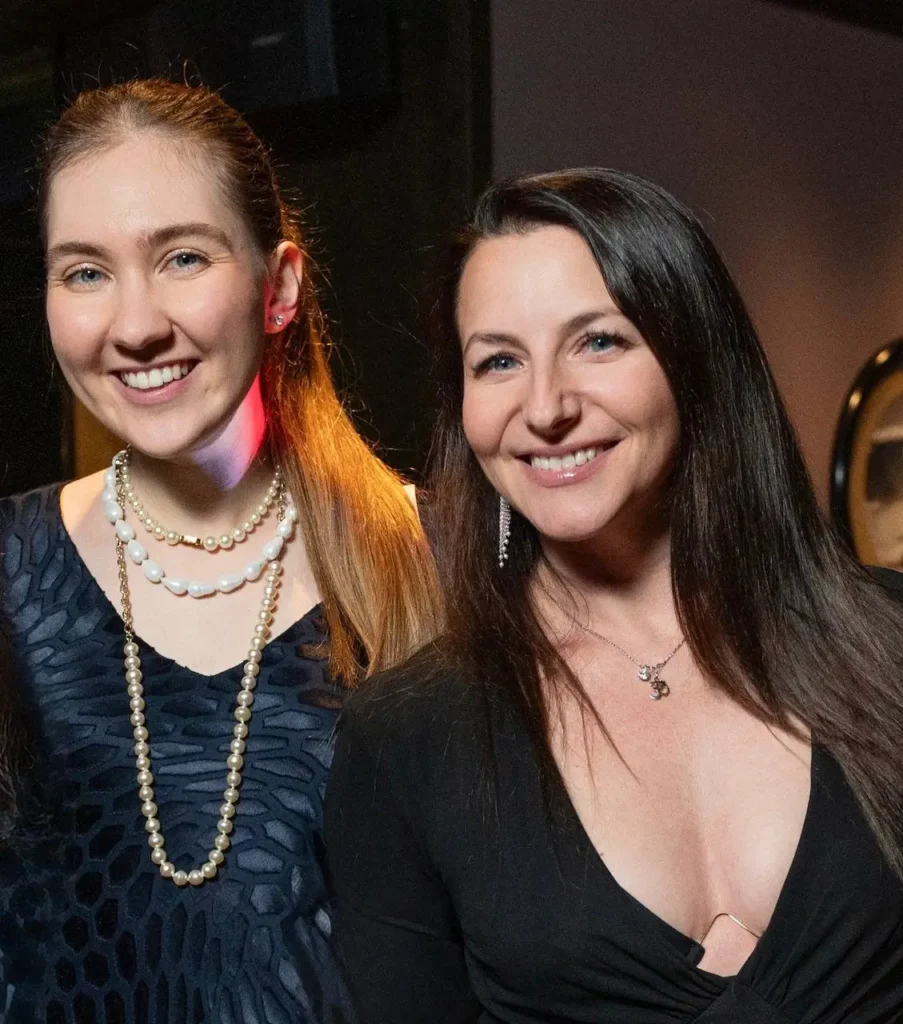
At EthCC 2026 in Cannes, something unusual happened alongside the panels and deal-making: a gallery filled with robotic arms sketching visitors’ portraits and sculptures cast from AI-generated dreams. Organized with the support of 1inch and P2P.org, the project featured works by aurèce vettier, Patrick Tresset and was curated by Diane Drubay.
We spoke with Valeriya Dementyeva, Head of Global Partnerships at 1inch, and Ekaterina Rumianceva, Events Lead at 1inch about the PERCEPTION LOOPS project. What it means to bring contemporary art into one of the world’s most digital-driven communities, and what have they actually learnt from the experiment – discover in this interview.
The exhibition is now behind you – what was the moment you realized it had come together the way you’d imagined?
Ekaterina Rumianceva: For me it was actually during the installation. When the artworks started appearing on the walls and in the space – that was the moment it became real. And honestly, at that point, it almost didn’t matter anymore who would come or what people would say. We already did it. The idea existed physically and that was the most important part.
What surprised you most – the audience’s reaction, the way the works felt in the physical space, or something you didn’t anticipate at all?
Ekaterina Rumianceva: Honestly, the number of positive feedback messages. It was noticeably higher than what I usually see after events and it was really nice to receive that. You could feel that people genuinely appreciated the experience, not just attended it.
How did the Web3 crowd respond to encountering physical artworks? Was there resistance, curiosity, or something in between?
Valeriya Dementyeva: This was an experimental project, and we did not expect an immediate “wow” effect from the audience. However, the event was described as one of the most popular in Cannes that night, with over 1,000 registrations and a waitlist. We definitely did not expect such a strong response.
The crowd showed a great deal of curiosity, and it was clear that the business conversations were elevated beyond pitch decks and sales. People were able to connect on a more human level, and that is what really matters.
Patrick Tresset’s robots were drawing portraits of actual visitors. Were there any moments from those encounters that stayed with you?
Valeriya Dementyeva: What stayed with me most was watching people slow down and become fully present in the moment. In a space where conversations are often very fast and transactional, the experience of sitting quietly while a robot observes and draws your portrait creates a completely different kind of interaction.
People were not only fascinated by the technology itself, but also by the feeling of being interpreted by it. Many visitors stayed much longer than expected, watching the process, speaking to each other, and reflecting on the relationship between humans, machines, and creativity.
You made a deliberate choice to focus on physical works rather than NFTs or screens. How did that land with a crypto-native audience – and do you think it shifted anything for them?
Ekaterina Rumianceva: It landed well overall, people were curious and open, which was important. At the same time, I think it wasn’t fully recognized or appreciated to its full depth yet. And that’s normal. It’s a slightly different language for this audience.
For future editions, I would probably explore a slight shift towards performative formats. Something that unfolds in real time can create a more immediate connection and make the experience easier to engage with intuitively.
How did the works by aurèce vettier and Patrick Tresset speak to each other in space? Was there a moment in the exhibition where the two practices unexpectedly connected?
Valeriya Dementyeva: What made the dialogue between aurèce vettier and Patrick Tresset so interesting was that both practices explore the relationship between humans and machines, but in very different emotional and visual languages. aurèce vettier’s works felt more immersive and abstract, while Patrick Tresset’s robotic portraits created a very direct and intimate interaction with the audience.
What unexpectedly connected the two practices was the human reaction to them. Visitors moved between the works almost seamlessly: from observing large-scale digital compositions to sitting down and becoming the subject of a robotic drawing. In both cases, people became participants rather than just spectators.
The show explored the boundary between human and machine creativity. Did the experience change how you personally think about that boundary?
Ekaterina Rumianceva: I think it made me less interested in the boundary itself. It’s becoming less about “human vs machine” and more about collaboration. The most interesting results come from this in-between space where control is shared, not fully defined.
You described this as the beginning of a broader programme. What did this first edition teach you – what works, what needs to change?
Valeriya Dementyeva: This first edition showed us that there is a real appetite for bringing curated art into technology and business environments. People do not just want to network – they want to experience something meaningful and become part of the atmosphere around them. We saw that the artworks created a different kind of energy in the space, where conversations felt more natural, open, and memorable.
As this is the beginning of a broader programme, we are now open to sponsorships and collaborations to continue bringing curated artistic experiences into tech and cultural gatherings. At the same time, this first edition taught us the importance of scaling thoughtfully and creating even more opportunities for audience engagement in future events.
Where does this go next – a new city, a new format, new artists?
Valeriya Dementyeva: We see this as the beginning of a larger international programme, and naturally we are already thinking about new cities, new formats, and new artistic collaborations. At the moment, we are looking closely at Singapore as a potential next destination, as it has a very dynamic intersection of technology, culture, and innovation.

WeeklyMinds.com is proud to feature an author who brings a wealth of knowledge and experience to our blog. Weekly Minds is an accomplished freelancer writer with 12 years of experience in the field.
WeeklyMinds.com has a passion for sharing insights and perspectives on political, news, technology, home improvement, interiors and many more. Their unique perspective on current affairs has been featured in numerous publications and they have been a guest speaker at college fests.
WeeklyMinds.com is also an avid interest in writing and reading and enjoys singing, music, shopping, travelling and some more. In their free time, they can often be found of reading the novels and various current topics.
We are thrilled to have Elia Scala as a contributor to WeeklyMinds and look forward to their continued insights and contributions to our blog.