

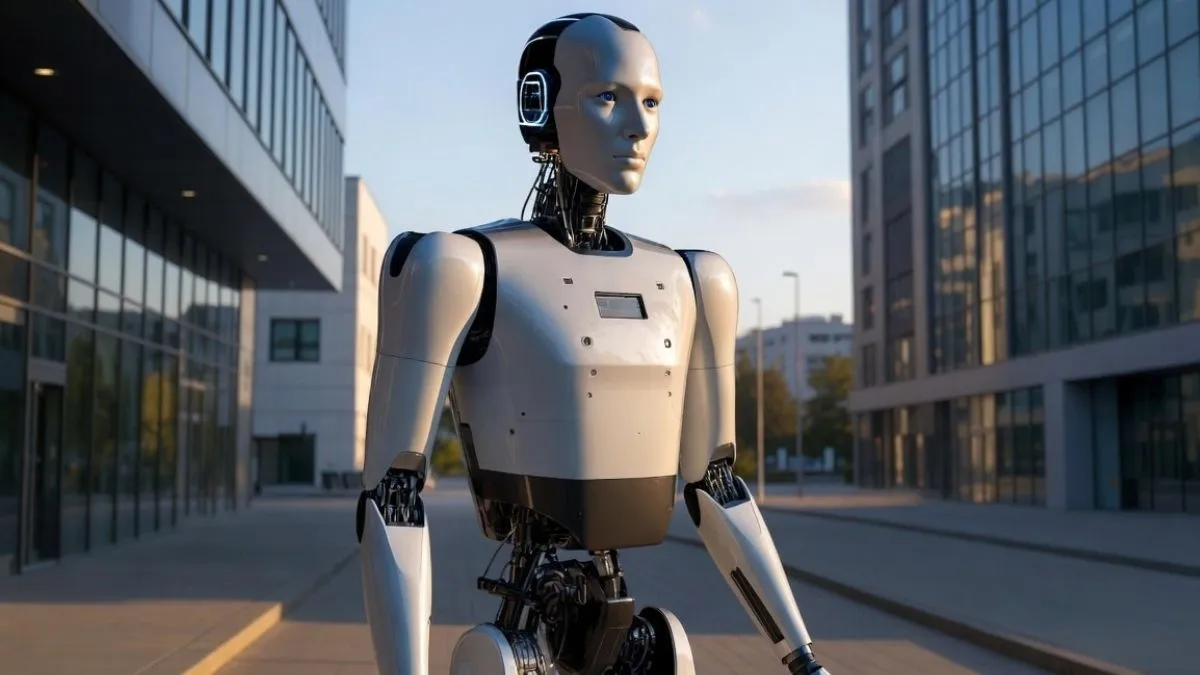

Humanoid robots were something you would see in movies or find in university labs. Everyone talked about them. They were not really available in real life. People wanted robots to help them or work with them. These robots were not very good. They had frames, lots of cords and batteries that did not last long. They did not seem real. Things are changing now. It is not a question of if robots will be part of our lives. When.
Hardware Meets Neural Intelligence
What is making these robots real? There are two reasons: better hardware and smarter brains. For a time robots moved in a stiff and awkward way. Now we have light parts that make robots move in a more natural way like humans.
The big change is in their brains. With artificial intelligence models like LLMs and VLA robots can think and learn like humans. In the past you had to program every move. Now robots can see a room understand what you say and make their plan. This is a change. From just doing what they are told to really being able to think for themselves.
Cracking the “General Purpose” Puzzle
There was a problem with robots: they were good at one thing. Not good at anything else. Think about robot arms in factories. They are great at picking things up and putting them down. They cannot do anything else. Humanoid robots are different. They are made to fit into our world because they look like us.
Most things in our world. Doors, stairs, tools. Are made for people. So a robot that looks like a person can work where we do without needing equipment. That is why companies like Tesla, Figure and Boston Dynamics can use these robots away. They do not need setups. They just fit in.
The Economics of Embodied AI
People ask: why make robots that look human? It is because it is practical and cost-effective. There are workers in the world but we still need people to do basic jobs. We need workers in warehouses, factories and even hospitals.
Now these robots are getting cheaper. With manufacturing techniques and materials the price of a robot might soon be the same as a fancy car. When they are made in numbers one robot can teach all the others very quickly. This kind of learning is much faster than how humans learn.
The Ethical and Societal Horizon
What happens when these robots are no longer in labs? Our society needs to catch up. These robots share our space. They work with us live with us and sometimes even take care of us. We need rules for safety, privacy and responsibility.
Some people feel strange around robots that look like humans. This is called the ” valley”.. This feeling is going away as robots are designed better and behave more naturally. However there are challenges coming. We need to figure out who is in charge how to supervise them and what this means for jobs. Change will come slowly starting with boring tasks and then moving to jobs that affect our daily lives.
A New Chapter for Human Civilization
Now it is not about artificial intelligence that can talk. Like ChatGPT. Humanoid robots are bringing human- work into the digital age. When we combine these the next decade could change our world as much as the last ten years changed the digital world.
Humanoid robots are not just experiments anymore. They are real tools for industry. With sensors, batteries and smarter models these machines are getting ready to become as common, as smartphones. They will not replace what makes us human. They will do the repetitive tasks freeing us to do more important things. Humanoid robots are here. The world is already changing.
FAQs:
1. Why do robots have to look like humans?
The way people are built is perfect for the world we live in . From stairs and doors to power tools and work spaces, it’s all built for our size. If a robot resembles a human it can operate in the same environment as us without any special adjustments.
2. What distinguishes a robot arm from a robot that looks like a person?
A robot arm is really good at doing one thing over and. A humanoid robot can perform tasks and move around in various places. It can grab things and do things that are not always the same.
3. What is “Embodied AI”?
Embodied AI is intelligence that inhabits a physical body.” It’s not a computer program on a screen. It is possible. experience what it is doing and learn from it.
4. Will humanoid robots take over all our jobs?
The aim is to help people do their jobs, the boring, dirty or dangerous ones. Robots will perform some jobs. “They’ll also help people do more important work.”
5. How do these robots learn to do things?
They learn by watching people and by experimenting themselves.” They learn from people teaching them how to do things or they watch videos and practice in a world and then try it in the real world.
6. What is the “Uncanny Valley”?
It is when something looks like a person but not quite right and it makes us uncomfortable. Making them feel more friendly, as robots move more human-like and have faces.
7. How much will it cost to buy a person-looking robot?
Now they are very expensive because they are still in development. Some think they could be as expensive as a mid-range car, between $20,000 and $30,000 one day.
8. Are these robots self-controlled or human-controlled?
They are getting better at doing things themselves. Some still need people to guide them but the goal is for them to be able to see what needs to be done think about how to do it. Then do it by yourselves.
9. How do they keep safe with people?
Safety is a big deal. Robots are equipped with sensors that allow them to know their location and surroundings. They can stop if they hit something or somebody so they don’t hurt anybody.
10. When will these robots come to our lives?
First we will find them in factories and warehouses. And then they will be in places and finally in our homes. They will be the last in our homes because every home is different and it is harder for them to learn how to work.

WeeklyMinds.com is proud to feature an author who brings a wealth of knowledge and experience to our blog. Weekly Minds is an accomplished freelancer writer with 12 years of experience in the field.
WeeklyMinds.com has a passion for sharing insights and perspectives on political, news, technology, home improvement, interiors and many more. Their unique perspective on current affairs has been featured in numerous publications and they have been a guest speaker at college fests.
WeeklyMinds.com is also an avid interest in writing and reading and enjoys singing, music, shopping, travelling and some more. In their free time, they can often be found of reading the novels and various current topics.
We are thrilled to have Elia Scala as a contributor to WeeklyMinds and look forward to their continued insights and contributions to our blog.