

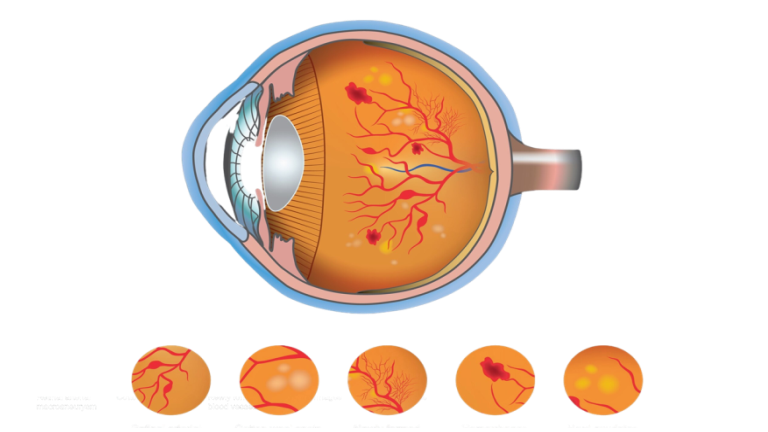
What is diabetic retinopathy?
Diabetic retinopathy is a serious eye disease that happens as a result of diabetes. It affects the blood vessels in the retina and can cause vision loss or impairment. This condition gets worse over time, mostly because people with type 1 and type 2 diabetes have high blood sugar levels for a long time. The retina, which is a delicate tissue at the back of the eye, needs healthy blood flow to work properly. Poorly controlled diabetes can cause high blood sugar levels to hurt small blood vessels. This can lead to two main stages: non-proliferative diabetic retinopathy (NPDR) and proliferative diabetic retinopathy (PDR).
The first stage, called NPDR, makes the blood vessels in the retina weaker and may cause them to swell or leak fluid. A lot of the time, this stage doesn’t show any signs, so many people may not know they have the condition until it gets worse. During this stage, symptoms like blurred or distorted vision may start to show up, especially if fluid builds up in the macula, which is the part of the retina that gives you sharp vision. If NPDR is not treated, it can turn into PDR, which is when new, abnormal blood vessels grow on the surface of the retina. These blood vessels are weak and can bleed, which can make vision problems worse.
Chronic hyperglycemia, hypertension, and hyperlipidemia are just a few of the many things that can lead to diabetic retinopathy. Additionally, this condition is particularly prevalent among individuals with diabetes, with approximately one-third of diabetes patients affected by diabetic retinopathy. It’s very important to know the early signs and symptoms of the disease because getting treatment quickly can greatly lower the risk of serious complications. This is why people with diabetes should have regular eye exams.
How to Tell If You Have Diabetic Retinopathy
If you don’t treat diabetic retinopathy, it can get worse and cause you to lose your vision. It is very important to get the right diagnosis because finding the problem early can greatly improve the treatment results for the people who are affected. A full eye exam by an eye care professional is usually the first step in the diagnostic process. This examination entails a comprehensive evaluation of the patient’s medical history, lifestyle factors, and the present status of their diabetes management.
Along with the first exam, doctors use a number of standard tests to figure out if you have diabetic retinopathy. Fundus photography, which involves taking detailed pictures of the retina, is one of the most important tools used. This method lets eye doctors see any changes in the blood vessels and look for signs of retinopathy, like microaneurysms or bleeding. These pictures are very important for keeping track of how a disease is getting worse over time so that doctors can make good decisions about treatment.
Optical coherence tomography (OCT) is another important way to diagnose. This imaging method doesn’t hurt and gives cross-sectional pictures of the retina. This helps figure out how thick the retinal layers are and see if any fluid has built up. OCT is very important for figuring out how bad diabetic retinopathy is and for making a personalized treatment plan for the patient.
People with diabetes must have regular eye exams. The American Diabetes Association says that people with diabetes should have their eyes checked once a year to look for early signs of diabetic retinopathy. These regular screenings are very important because they allow for quick action, which can save vision and make life better. People with diabetes can take charge of their eye health by making sure they get regular check-ups and learning how the diagnosis process works.
Choices for treating diabetic retinopathy
Diabetic retinopathy is a common problem that people with diabetes have with their eyes. If the condition isn’t treated properly, it can get worse and cause vision problems or even blindness. There are many ways to treat diabetic retinopathy, and each one is made to fit the severity of the disease and the needs of the patient.
Laser therapy is one of the main ways to treat this condition, and it works especially well for people with proliferative diabetic retinopathy. This procedure uses focused light to find and fix damaged blood vessels in the retina. This helps to reduce swelling and protect vision. Depending on the type and amount of damage, laser therapy can be split into two types: focal and scatter treatments. People who are candidates for this treatment usually have signs of blood vessels growing in an unusual way.
Intravitreal injections are another important way to treat diabetic retinopathy. Anti-VEGF drugs and other medications are injected straight into the vitreous humor of the eye. These drugs work by stopping vascular endothelial growth factor (VEGF), which slows the growth of abnormal blood vessels that can cause vision problems. People with diabetes who have diabetic macular edema, which is a major cause of vision loss in people with diabetes, may benefit from these injections. It is important to have regular follow-ups because you may need more than one session to get the best results.
Surgery may be needed in more serious cases of diabetic retinopathy. For example, vitrectomy is the surgery that removes the vitreous gel that may be pulling on the retina and causing bleeding. This surgical option is typically designated for patients with significant vision impairment or complications that cannot be addressed via non-invasive techniques.
It is important to remember that in addition to medical treatments, controlling blood sugar levels and making changes to your lifestyle are both important parts of managing diabetic retinopathy. Keeping blood sugar levels stable can slow the disease’s progress and make medical treatments work better. Regular eye exams and prompt treatment are essential for maintaining vision and addressing this ocular complication of diabetes.
Managing and caring for Diabetic Retinopathy
If you have diabetic retinopathy, you need to take a long-term approach to managing it that focuses on keeping your vision and improving your quality of life. Regular eye exams are very important for finding and treating any changes in the eyes caused by this condition as soon as they happen. People who have been diagnosed with diabetic retinopathy should have full eye exams at least once a year, according to the American Academy of Ophthalmology. These tests help doctors keep an eye on how the disease is getting worse and take the right steps as soon as possible.
Managing diabetic retinopathy requires more than just regular eye care; it also requires keeping blood sugar levels at their best. Changes in blood sugar levels can make retinal damage worse, so people need to keep an eye on their blood sugar levels and follow their doctor’s instructions for diet and medication. Working with healthcare professionals like endocrinologists and dietitians can help you come up with personalized plans that make it easier to manage your diabetes.
Changes in lifestyle are very important for managing diabetic retinopathy. Regular exercise, a healthy diet, quitting smoking, and keeping blood pressure and cholesterol levels in check can all greatly lower the risk of complications from diabetes and its effects on eye health. Many patients can also learn useful things about making healthy choices by taking part in diabetes education programs.
People with diabetic retinopathy also need emotional support. Chronic illness can take a toll on your mental health, leading to anxiety and depression. This is why it’s important to take care of both your physical and mental health. People can get help with the problems they face from things like support groups, counseling, and educational materials. Encouraging family and friends to talk openly about their diabetes can help create a supportive environment that makes it easier to deal with both the emotional and physical effects of the disease.

WeeklyMinds.com is proud to feature an author who brings a wealth of knowledge and experience to our blog. Weekly Minds is an accomplished freelancer writer with 12 years of experience in the field.
WeeklyMinds.com has a passion for sharing insights and perspectives on political, news, technology, home improvement, interiors and many more. Their unique perspective on current affairs has been featured in numerous publications and they have been a guest speaker at college fests.
WeeklyMinds.com is also an avid interest in writing and reading and enjoys singing, music, shopping, travelling and some more. In their free time, they can often be found of reading the novels and various current topics.
We are thrilled to have Elia Scala as a contributor to WeeklyMinds and look forward to their continued insights and contributions to our blog.