

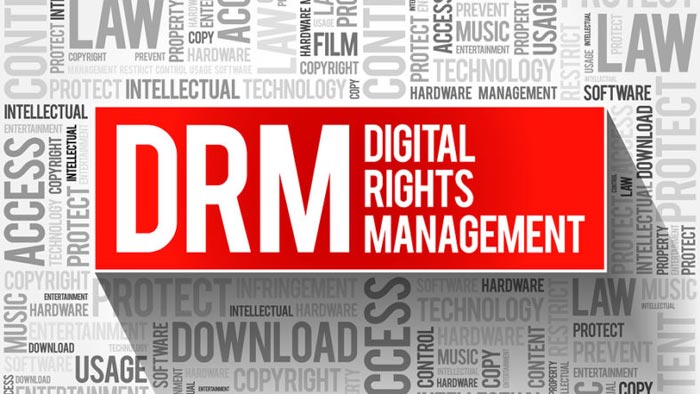
What is Digital Rights Management (DRM)?
Digital Rights Management (DRM) is a set of technologies and legal rights that are used to protect digital content and control how it is used. The main goal of DRM is to protect the intellectual property of creators by stopping people from accessing, copying, and sharing digital content like music, movies, e-books, and software without permission. As the digital world grows, it becomes more and more clear how important DRM is for protecting content.
In short, DRM technologies let content owners take charge of their works by letting them set rules for how their content can be accessed and used. For example, DRM can stop people from copying files, limit the number of devices that can access a file, or make users prove who they are before they can see or use the content. These features are very important for making sure that creators get paid fairly for their work, which encourages the creation of high-quality digital content.
Different platforms use different types of DRM technologies. Encryption is a common example. It encodes the content so that only people who are allowed to can decrypt and access it. Watermarking is another example. It embeds identifying information into the content itself so that any unauthorized distribution can be traced back to the source. To make sure that their media can only be accessed through certain apps or devices, streaming services often use DRM to put the content in secure containers.
Overall, DRM not only protects content providers, but it also improves the user experience by making sure that users can access high-quality content that is legally distributed. Digital content is becoming more and more common, so DRM will probably still be very important in the fight against piracy and copyright infringement.
How License DRM Functions
License Digital Rights Management (License DRM) is based on the idea that structured licensing agreements give users certain rights to access and use digital content. License DRM is different from traditional DRM systems because it doesn’t put broad restrictions and limitations on users. Instead, it gives users specific licenses that spell out what they can do with the content they buy or access. Not only does this approach improve the laws that govern digital assets, but it also meets the needs of users by clearly outlining their rights.
A licensing agreement usually spells out things like how long you can use something, how much you can modify it, and any restrictions on sharing or redistributing it. For example, a license might let a user watch a certain movie for a certain amount of time or stop them from sharing downloaded music files with other people. Content providers need to be very careful with their licenses to protect their intellectual property rights and make sure that consumers know what their rights are.
License DRM’s enforcement of compliance is a big part of it, and it is usually done through technical measures built into the content delivery system. Watermarking, online authentication, and usage tracking are some of the technologies that content owners can use to keep an eye on who has access and stop unauthorized sharing. These steps make sure that users follow the rules in the licensing agreement, which protects digital content from being stolen or misused.
Also, the user experience with License DRM can be very different from traditional methods, which may require strict rules that often annoy customers. License DRM tries to find a middle ground between the rights of content creators and the ease of access for users by focusing on licensing options that are easy to use. From this point of view, License DRM could make users happier because customers might like having clear limits and permissions, which would make using digital media more fun and worry-free.
The Advantages of Using DRM in Digital Content
Digital Rights Management (DRM) is now a must-have for people who make and sell content and want to protect their intellectual property. One of the main reasons to use DRM in digital content is to protect revenue. DRM helps make sure that creators get paid fairly for their work by stopping people from accessing and sharing it without permission. In a time when online piracy is common, companies can protect their financial investments and keep a steady stream of income by putting protective measures in place.
Using DRM also helps protect the brand. When digital content is shared without the right protection, it can lead to bad copies and changes that aren’t allowed, which hurts a brand’s reputation. Companies can keep their content’s quality and integrity by using DRM solutions, which gives customers a consistent and dependable experience. This makes customers more loyal to the brand and improves how people see it in the market as a whole.
Good DRM implementation makes it easier for the market to grow, which means that content creators and distributors can reach more people without worrying about their content being misused. Companies can safely look into new ways to distribute their products and enter international markets if they take the right steps to protect their digital assets. The Content Marketing Institute did a study that found that companies that used DRM were able to grow their online market presence by an average of 40% in two years.
Also, real-world case studies show that companies that use DRM have seen real benefits. For example, a major streaming service said that piracy-related losses went down a lot after it added advanced DRM technologies. This shows that these solutions work to protect digital content. It is clear that using DRM not only protects intellectual property but also increases value for everyone involved, from creators to consumers, because of these benefits.
There are problems and arguments about DRM.
Digital Rights Management (DRM) is a hotly debated issue in the world of digital content distribution. One of the biggest problems with DRM is that it limits what users can do with their rights. A lot of people say that DRM technologies make it harder for them to use, share, or even get to the content they have bought. This has caused a lot of worry about user empowerment and ownership, making people think that these kinds of systems put the needs of content creators or distributors ahead of those of consumers.
Also, we can’t ignore the fact that DRM could make users angry. When trying to access DRM-protected content, many users have run into problems like compatibility issues, long authentication processes, and limits on the number of devices that can access the content. People often think DRM is bad because they feel like their experience is being unnecessarily limited by protective measures.
The balance between security and accessibility is still being talked about when it comes to DRM technologies. Content creators want to protect their intellectual property from piracy, but it’s still hard to find a middle ground that lets people use the content without too many restrictions. Over the years, people’s views on DRM have changed, especially since new ways to distribute content and subscription services that let you access content more easily have become more popular.
As the discussion about DRM goes on, people are still looking into the moral issues that come up when it is used in different types of digital media. Critics say that enforcing DRM technologies violates basic user rights and that licensing practices need to be more clear and easy to use. Looking ahead, DRM technology may become more integrated with blockchain for clear licensing, or more flexible DRM systems may be created that meet both security and user rights needs. These changing points of view will be very important in deciding how digital content management will look in the future.

WeeklyMinds.com is proud to feature an author who brings a wealth of knowledge and experience to our blog. Weekly Minds is an accomplished freelancer writer with 12 years of experience in the field.
WeeklyMinds.com has a passion for sharing insights and perspectives on political, news, technology, home improvement, interiors and many more. Their unique perspective on current affairs has been featured in numerous publications and they have been a guest speaker at college fests.
WeeklyMinds.com is also an avid interest in writing and reading and enjoys singing, music, shopping, travelling and some more. In their free time, they can often be found of reading the novels and various current topics.
We are thrilled to have Elia Scala as a contributor to WeeklyMinds and look forward to their continued insights and contributions to our blog.