

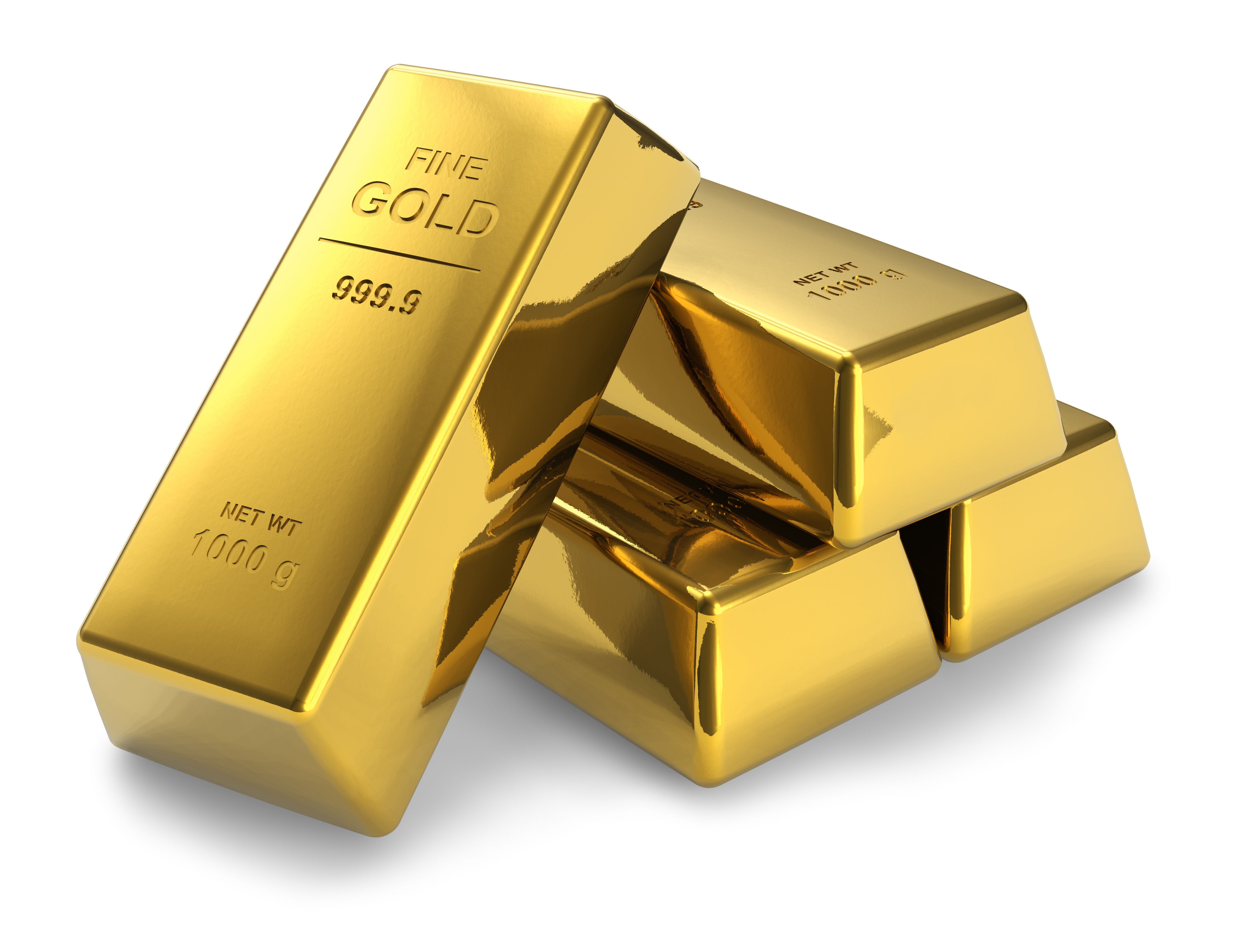
Historical Trends in Gold Prices
Throughout history, gold has been recognized as a valuable asset, often serving as a hedge against inflation and market volatility. Analyzing historical trends in gold prices reveals a complex interplay between economic conditions, geopolitical events, and investor behavior. Over the past several decades, gold prices have exhibited notable fluctuations, reflecting a range of external and internal influences.
In the late 1970s, for example, gold experienced a significant price surge, primarily driven by rising inflation rates and geopolitical tensions associated with the oil crisis. This period marked the beginning of gold’s ascent towards its historical peak in 1980, where it reached approximately $850 per ounce. However, following this peak, prices declined significantly throughout the 1980s as inflation was brought under control and interest rates rose.
In the early 2000s, gold prices began to rise again, influenced by factors such as the 9/11 terrorist attacks and the subsequent War on Terror, as well as the global financial crisis of 2008. During times of uncertainty, investors often seek the relative safety of gold, leading to sharp price increases. Consequently, by 2012, gold had soared to over $1,900 per ounce, a record that reflected both economic instability and low-interest rates.
In the years following, gold prices have continued to reflect the state of the global economy. Influences, such as central bank policies, trade war tensions, and ongoing crises, have contributed to annual variations in gold prices. For instance, the COVID-19 pandemic prompted a renewed interest in gold, with prices reaching new highs as investors sought stability amid chaos.
Understanding these historical trends offers critical insights into the factors that drive gold price movements over time. Such an analysis lays the groundwork for comprehension of current trends and facilitates informed investment decisions in the gold market.
Factors Driving Annual Increases in Gold Prices
The annual increase in gold prices is influenced by a multitude of interconnected factors that reflect both economic and market dynamics. One of the primary drivers is inflation rates. Generally, when inflation rises, the purchasing power of a currency diminishes, leading investors to turn to gold as a hedge against inflation. This tendency to invest in gold as a haven can significantly elevate its market value, as demand increases in times of uncertain economic conditions.
Currency fluctuations also play a critical role in gold pricing. The value of gold is typically inversely related to the strength of the U.S. Dollar. When the dollar weakens, gold becomes less expensive for foreign investors, thus driving up demand and, consequently, the price of gold. This relationship underscores the importance of monitoring currency trends, as shifts can directly impact gold’s appeal in the global market.
Another vital factor contributing to the annual increase in gold prices is the demand for gold across various industries. Sectors such as jewelry and technology are significant consumers of gold, with the jewelry industry accounting for nearly half of the total gold demand. Innovations in technology, including electronics and renewable energy, further amplify the need for gold, which is favored for its conductivity and resistance to corrosion. This sustained demand underscores the pivotal role of gold in both traditional and modern applications.
Moreover, investment trends have seen a marked increase in interest in gold over recent years. Investors often turn to gold during economic downturns or periods of geopolitical uncertainty, viewing it as a stable asset that retains its value over time. Central banks have also been accumulating gold reserves, reinforcing their role as a cornerstone of monetary policy amidst shifting global economic stability. Such policies can create a ripple effect, impacting market perceptions and, ultimately, gold prices.
The Role of Gold as an Investment
Gold has long been regarded as a safe-haven asset, particularly during periods of economic uncertainty. Investors frequently turn to gold as a means of preserving wealth when other assets, such as stocks or currencies, exhibit volatility. This behavior stems from gold’s intrinsic value and historical resilience in times of crisis. Economic downturns often lead to increased demand for gold, as it is perceived to maintain its value better than currency or market-dependent assets. Consequently, the price of gold typically rises during periods of heightened economic stress, making it an attractive option for investors aiming to safeguard their portfolios.
The appeal of gold extends beyond its role as a protective measure. Different investment vehicles provide diverse ways for individuals to gain exposure to gold. One common approach is through the purchase of physical gold—such as jewelry, coins, or bullion—which allows investors to possess a tangible asset. While this method offers security, it also necessitates considerations such as storage and insurance, which can affect overall investment costs.
Another popular option is gold exchange-traded funds (ETFs), which allow investors to participate in the gold market without the need to hold physical gold. Gold ETFs track the price of gold, offering investors liquidity and ease of access that are advantageous. Moreover, investors may also consider investing in mining stocks, which represent shares in companies that extract gold and other valuable minerals. These stocks can sometimes offer leverage to gold price increases, although they also carry additional risks related to operational performance and market dynamics.
As annual increases in gold prices continue to attract attention, understanding these various investment vehicles and their relationships with price movements is essential. By analyzing the behaviors of gold during economic downturns and crises, investors can craft more informed strategies that capitalize on gold’s unique position in the financial landscape.
Future Outlook for Gold Prices
A range of complex factors, including economic trends, geopolitical developments, and technological advancements, influences the future of gold prices. As we move forward, investment experts speculate on several elements that could dictate the movement of gold valuations in the coming years. Central banks play a pivotal role through their monetary policies, which can either bolster or depress gold prices. For instance, if interest rates remain low or face further reductions, gold may become an attractive asset for investors seeking a hedge against inflation and currency devaluation.
Emerging markets also present significant opportunities for gold price appreciation. Increasing wealth in countries like China and India leads to heightened demand for gold in jewelry and investment forms. As a result, a surge in consumer purchasing power in these regions may drive gold prices higher. Additionally, the transition towards digital currencies and the potential for central bank digital currencies (CBDCs) could introduce new dynamics into the gold market. Should digital currencies gain widespread acceptance, investors may diversify their portfolios by incorporating physical gold as a stable asset during uncertain economic times.
Technological advancements are another crucial factor in the future of gold pricing. Innovations in mining techniques, recycling methods, and alternative materials could influence gold’s supply dynamics. Increasing efficiency in extraction and processing may adjust the balance between supply and demand, thereby impacting market prices. Furthermore, the performance of gold in response to global crises, such as geopolitical tensions or environmental disasters, will likely remain a key focus for investors seeking safe havens.
In conclusion, staying informed about economic indicators, emerging market trends, and technological advancements is crucial for those seeking to make informed strategic decisions related to gold investments. These factors collectively shape the future landscape of gold prices, emphasizing the need for continuous monitoring in this ever-evolving market.

WeeklyMinds.com is proud to feature an author who brings a wealth of knowledge and experience to our blog. Weekly Minds is an accomplished freelancer writer with 12 years of experience in the field.
WeeklyMinds.com has a passion for sharing insights and perspectives on political, news, technology, home improvement, interiors and many more. Their unique perspective on current affairs has been featured in numerous publications and they have been a guest speaker at college fests.
WeeklyMinds.com is also an avid interest in writing and reading and enjoys singing, music, shopping, travelling and some more. In their free time, they can often be found of reading the novels and various current topics.
We are thrilled to have Elia Scala as a contributor to WeeklyMinds and look forward to their continued insights and contributions to our blog.