

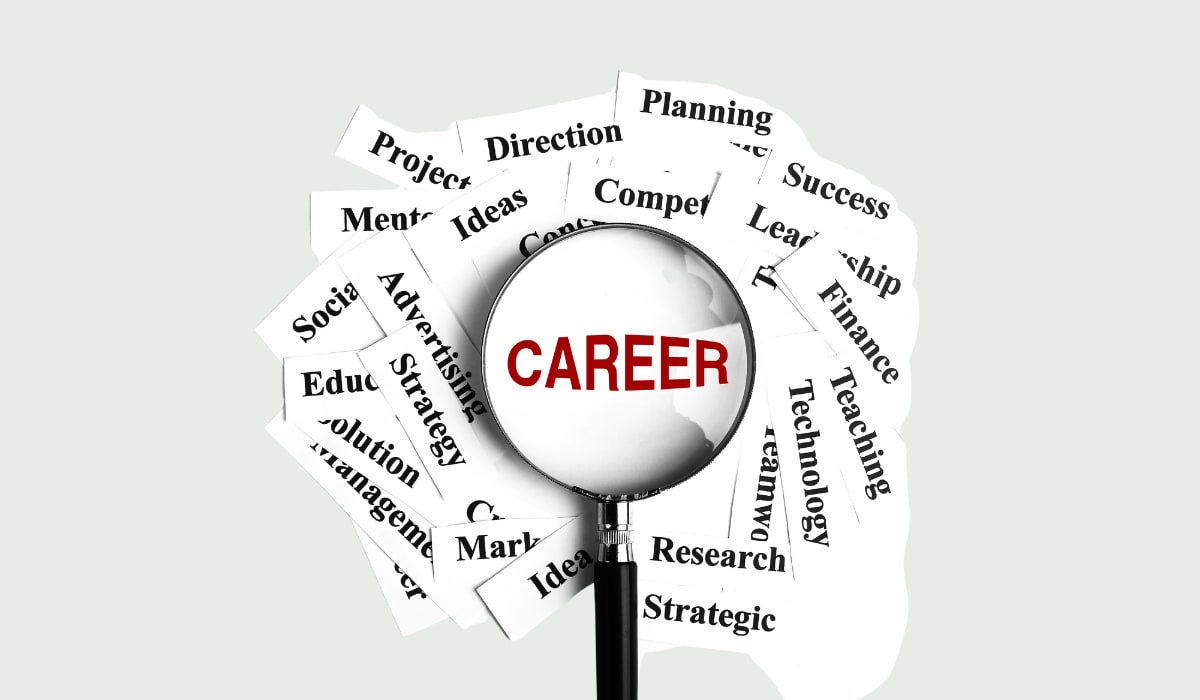
Getting to Know Career Development
Career development is a complex and ever-changing idea that looks at how a person’s professional life is changing over time. It includes a variety of things that people can do to improve their job prospects and overall happiness in their field. Intentional planning is an important part of this process. It means setting clear career goals and making a plan for how to reach them. This step in the planning process starts with career exploration, which helps people figure out what they want to do with their lives, what they value, and what they want to achieve. Knowing your own strengths and weaknesses is very important for finding the right career paths and opportunities.
Setting realistic and achievable career goals is an important part of career growth. These goals act as checkpoints that help people make smart choices about their education, training, and job options. Setting clear goals helps people make a plan that will help them succeed in their careers. Also, it’s important to remember that the job market is always changing because of new technologies, changes in the economy, and new needs in the industry. So, a good career development plan should include a promise to keep learning and gaining new skills.
Lifelong learning makes people more adaptable and helps them stay competitive in job markets that change quickly. This could mean getting formal credentials, going to workshops, or taking online courses that are specific to the needs of your field. Networking and finding a mentor can also give you useful information and advice, which can make the process of developing your career even better. In conclusion, it is important for people who want to find their way to success to see career development as a whole and proactive process. People can build a successful and satisfying career by focusing on their strengths, setting clear goals, and making a commitment to lifelong learning.
Making a living that will last
A sustainable livelihood includes the ways that people, families, and communities get the resources they need to live. At its core, it means getting your finances in order, which is the first step to making sure you can meet your basic needs like food, shelter, and medical care. Accessing a variety of resources, such as education, training, and basic tools that help people make money, makes their livelihoods even more secure.
When it comes to making money, it’s important to stress the importance of having more than one source of income. If you only rely on one source, you could be in trouble if the economy goes down or you lose your job. A diverse array of income sources can also help protect against changes in the market, making you more flexible and resilient. People should look into how much demand there is for their skills in the market, as this can help them choose the best ways to make money and get the most out of their skills.
Starting your own business is another important way to make a living that will last. Thanks to new technologies and online platforms, there are more chances than ever to start a small business in today’s economy. Digital tools can help aspiring business owners reach more customers, which will increase their chances of success. There are also more and more jobs that let you work from home, which can give you more freedom and help you find a better work-life balance. These businesses not only help people become financially independent, but they also help people feel good about themselves and their communities.
Social support systems are very important for keeping people alive. Family, friends, and community groups can help you get through tough times in ways that are very helpful. Using local resources and support systems can help people stay up to date on new job openings, learn the skills they need, and make connections that could lead to a job or business growth. By putting these things together, you can develop a strategic plan for making a living that lasts.
Using networks and resources
In today’s competitive job market, it’s very important to make the most of the resources and professional networks you have to get ahead in your career and make a living. Resources include different tools, programs, and services that help people improve their job skills and get hired. Finding and using resources like job training programs, mentorship programs, and career counseling services can greatly improve your career path. These programs often give people the training they need to work in certain fields. For example, many community colleges and vocational schools offer classes that are in high demand, which helps students learn the skills that employers want.
Mentorship can also be very important for career growth. Finding a mentor who has experience and knowledge in your field can be very helpful. They can help mentees deal with problems, make smart choices, and learn more about the industry. Local business groups, groups for people in the same field, or professional organizations may have resources for finding mentors. Connecting with these people can help you find mentors who will be helpful to you.
It’s just as important to build a professional network. Networking gives you the chance to meet people who work in your field, which can help you get more exposure in your field. Attending industry conferences, workshops, and seminars is one way to network effectively. These events allow people to meet and talk with others in their field. Another way to network is to join professional organizations that help people meet others in their field. LinkedIn and other online platforms give you more ways to connect with coworkers, industry leaders, and possible employers. Using these platforms well can help you make connections that could lead to job offers or projects you can work on with others.
People can more easily and successfully find their way through their careers by using resources and building professional networks. To make sure that you keep growing and moving up in your career, you need to include these things in your career strategy.
Making a plan for yourself
Making a personal action plan is an important part of figuring out your career and how to make a living. This structured method not only makes things clearer, but it also makes sure that your work is in line with your long-term goals. First, it’s very important to do a self-assessment. Think about what you like, what you value, and what you’ve done in the past. This evaluation will help you set your career goals by letting you align your action plan with your skills and interests.
After this self-reflection is done, it’s important to set SMART goals, which are goals that are specific, measurable, achievable, relevant, and have a deadline. You can make a plan that leads to real results by setting clear, measurable goals, like getting a certain certification in six months or applying for a certain number of jobs each week. This framework not only keeps people motivated, but it also makes it easier to see how far they’ve come over time.
It is very important to regularly review your action plan. Set up regular reviews, maybe once a month or once a quarter, to see how things are going and find any problems that might come up. This method lets you change your plans as needed, so you can quickly respond to any new chances or problems that come up. Also, being open to change is important because career paths are rarely straight lines. Being open to changing your course can lead to unexpected but rewarding opportunities.
You might want to use digital planners or project management apps to help you keep track of deadlines and progress on your personal action plan. These tools can help you make it more effective. Also, ask for feedback from mentors or peers because their ideas can help you see things in a new way. In conclusion, making a personal action plan is important if you want to actively guide your career and life toward success, as it will help you deal with problems and take advantage of opportunities as they arise.

WeeklyMinds.com is proud to feature an author who brings a wealth of knowledge and experience to our blog. Weekly Minds is an accomplished freelancer writer with 12 years of experience in the field.
WeeklyMinds.com has a passion for sharing insights and perspectives on political, news, technology, home improvement, interiors and many more. Their unique perspective on current affairs has been featured in numerous publications and they have been a guest speaker at college fests.
WeeklyMinds.com is also an avid interest in writing and reading and enjoys singing, music, shopping, travelling and some more. In their free time, they can often be found of reading the novels and various current topics.
We are thrilled to have Elia Scala as a contributor to WeeklyMinds and look forward to their continued insights and contributions to our blog.